 โทร
 ไลฟ์แชท
Let’s talk about gambling
One of the biggest reasons people hold back from seeking help for gambling is the fear of being judged
One of the biggest reasons people hold back from seeking help for gambling is the fear of being judged
Stigma can be the negative beliefs or assumptions society places on gambling can make people feel ashamed, isolated, or even like they must hide their struggles.
This can create a real barrier to getting support not just for those who gamble, but also for family, friends, and others affected by someone else’s gambling.
But it doesn’t have to stay that way. Starting an honest, non-judgmental conversation with yourself or someone else can be a powerful first step. It might feel hard at first, but it opens the door to understanding and connection.
Here are a few simple ways to get started
If you’re concerned about someone else’s gambling, it’s important to approach the conversation with care, kindness, and no judgement. The goal isn’t to confront; it is to create opportunities for conversation.
You could try saying:
It can be helpful to focus on listening first. Try to understand their perspective before sharing your own thoughts or concerns. Pre-planning one or two key points you’d like to share can help keep the conversation grounded and ensure what matters most to you is heard.
Remember, this doesn’t need to be a one-off conversation. You might choose to check in more than once, giving both of you time to reflect on what’s been said and come back to the conversation with more clarity and care.
Sometimes, just knowing someone cares and is willing to listen can make all the difference.
If you’ve ever found it hard to talk about gambling or to get support, you’re not alone. Many people feel like this

In this video, Naveen shares his lived experience as an Asian New Zealander, reflecting on the challenges international students face when exposed to gambling in Aotearoa.
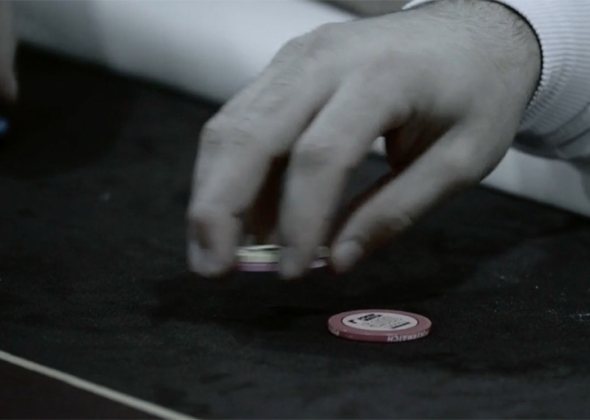
In this video, Li Na shares her family’s journey of moving from China to Fiji and then settling in Aotearoa New Zealand.

In this video, Jian shares his journey of moving from Hong Kong to Aotearoa New Zealand and the struggles he faced with identity, belonging, and connection.

วันจันทร์-วันศุกร์ เวลา 9.00-20.00 น.
(เว้นวันหยุดนักขัตฤกษ์)
Asian Family Services ให้บริการโทรปรึกษาฟรี มีการสงวนข้อมูลเป็นความลับและไม่เปิดเผยนามแก่ชุมชนชาวเอเชียผู้ซึ่งพำนักอาศัยในนิวซีแลนด์ในหลายภาษาของประเทศเอเชียและภาษาอังกฤษ หากท่านมีข้อกังวลเกี่ยวกับการพนัน หรือพฤติกรรมพนันของบุคคลที่รัก เราพร้อมให้ความช่วยเหลือ
ข้อมูลในหน้านี้มีประโยชน์ต่อท่านหรือไม่?